Source Car Cleaning Dry Ice Equipment for Auto, Power, and Food Industries
Explore 30 listings for car cleaning dry ice equipment designed for industrial applications. Buyers can compare models like Ygp6 and YGP7X with features such as CE certification, adjustable air consumption, and IP54 protection across sectors including automotive and pharmaceutical.
Key considerations
Products List


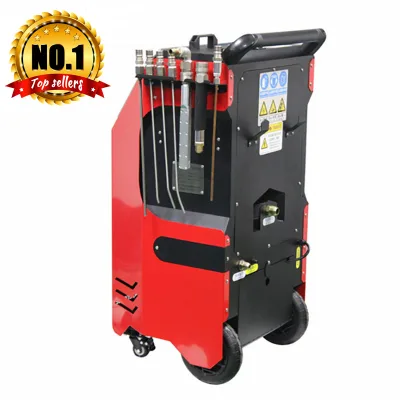
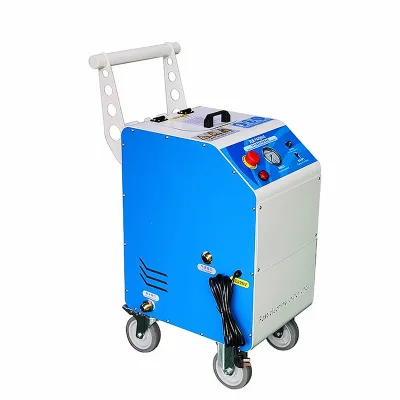
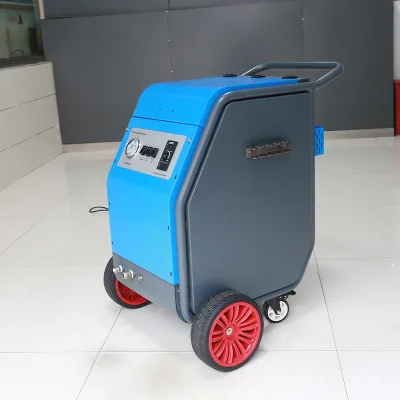
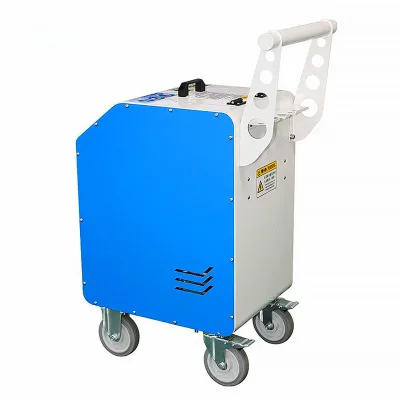


Comprehensive Sourcing Guide
Strategic Sourcing Guide for Car Cleaning Dry Ice Equipment
Understanding the Core Technology and Operational Mechanics
When sourcing dry ice cleaning equipment for automotive applications, buyers must first distinguish between the specific cleaning mechanisms available in the current market. The core technology relies on the principle of physical cleaning, where dry ice pellets are accelerated through a nozzle and impact a surface. The kinetic energy removes contaminants, while the rapid sublimation of the dry ice creates a micro-explosion that lifts the dirt away without leaving secondary waste. In the context of car cleaning, this process is often categorized under high-pressure cleaning, though the medium differs significantly from traditional water-based systems.
The observed market data indicates a diversity in drive modes and nozzle configurations. Some units operate with a motor drive and direct connection, ensuring consistent pellet delivery speed. For automotive detailing, the nozzle type is a critical selection criterion. The market offers both round water column nozzles and fan-shaped nozzles. A round nozzle typically concentrates the cleaning energy for stubborn, localized grime, whereas a fan-shaped nozzle provides a broader coverage area, which may be more efficient for cleaning large vehicle panels or undercarriages. The air consumption for these systems is typically adjustable, ranging from 0.8 to 3.0 cubic meters per minute, allowing operators to modulate the cleaning intensity based on the specific contaminant level, such as grease, oil, or paint overspray.
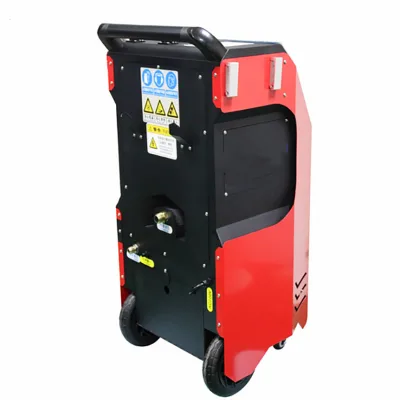
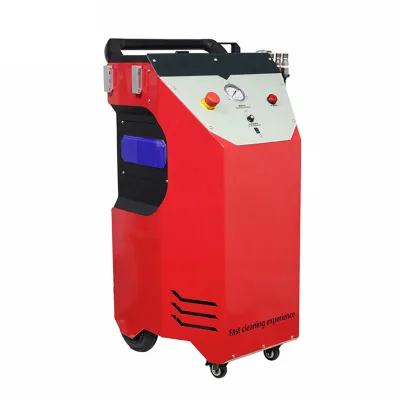
Furthermore, the state of the dry ice itself is a vital technical parameter. The equipment is designed to handle dry ice in a specific size range, often observed as 2.5 to 3 millimeters. This granular size is crucial for optimal sublimation rates and impact energy. The machine's hopper capacity also dictates operational efficiency; a capacity of approximately 10.5 kilograms allows for extended cleaning sessions without frequent refilling, which is essential for busy automotive workshops. The physical dimensions of the machine, often around 600x400x860 millimeters, and a weight of roughly 50 kilograms, suggest a mobile design that can be easily maneuvered around vehicles, aligning with the "Mobile Style" attribute frequently observed in industrial-grade units.
Technical Specifications and Electrical Compatibility
Selecting the correct technical specifications is paramount to ensuring the equipment integrates seamlessly with existing workshop infrastructure. A primary area of focus is the power supply and voltage compatibility. The market presents a variance in electrical requirements, with some units operating on AC220V at 380W, while others support a broader input voltage range of 110V to 240V. This flexibility is significant for international buyers or those operating in regions with fluctuating power standards. However, buyers must verify the specific voltage requirements of their local grid before purchase to avoid the need for expensive transformers or adapters.
The air supply requirements are equally critical. Dry ice cleaning machines are pneumatic in nature, requiring a compressed air source to propel the pellets. The observed air supply pressure ranges vary, with some specifications indicating 0.1 to 0.9 MPa, while others list a range of 4 to 10 bar. It is imperative for buyers to cross-reference these requirements with their existing compressed air systems. If the workshop's air compressor cannot meet the minimum pressure or flow rate (air consumption), the cleaning efficiency will be compromised. The adjustable nature of the air consumption allows for some flexibility, but the system must be capable of sustaining the maximum required flow.
Control systems also vary across different models. While some units feature manual operation, others are equipped with automatic controls or CNC systems. The presence of a remote control is another variable; some models are supplied without remote control, requiring the operator to be near the machine, while others may offer remote capabilities for enhanced safety and reach. The degree of protection, often rated at IP54, indicates that the equipment is protected against dust and water jets, which is a necessary feature for environments where cleaning involves moisture or chemical agents. Additionally, the filtration system, sometimes described as a loading trolley, plays a role in managing the dry ice feed and ensuring a consistent flow to the nozzle.
Compliance, Certification, and Safety Standards
In the B2B procurement of industrial cleaning equipment, compliance with international safety and environmental standards is non-negotiable. The market data confirms that many units carry the CE certification, indicating conformity with health, safety, and environmental protection standards for products sold within the European Economic Area. Some listings also reference RoHS certification, which restricts the use of specific hazardous materials in electrical and electronic equipment. While these certifications are present in the observed data, buyers should not assume that every unit in the market automatically possesses them. Verification of valid, current certification documents is a mandatory step in the due diligence process.
Beyond specific certifications, buyers should be aware of broader safety standards that may apply to the equipment's design and operation. For instance, electrical safety standards such as IEC 60335-1 are often relevant for appliances with electrical drives. Although specific test results for these standards are not provided in the general market data, the presence of CE marking usually implies adherence to relevant harmonized standards. Quality management systems, such as ISO 9001:2015, are also frequently cited in the industry, suggesting a commitment to consistent manufacturing quality. However, buyers must request proof of these certifications from the supplier rather than relying on marketing claims.
Safety features are also embedded in the design of the equipment. The use of electric fuel sources eliminates the risks associated with combustion engines, making these units suitable for indoor automotive workshops. The material construction, often utilizing metal, SUS304, or SUS316 stainless steel, contributes to durability and resistance to corrosion, which is vital for equipment used in cleaning environments. The packaging, typically a wooden box or wooden case, is designed to protect the machine during transit, but the buyer should inspect the unit upon arrival for any damage that could compromise safety mechanisms.
Cost Drivers and Procurement Economics
The pricing of dry ice cleaning equipment is influenced by a complex array of factors, including technical specifications, material quality, and customization options. The observed price range in the market spans from 800 to 35,000 USD, a significant variance that reflects differences in capacity, power, and feature sets. Lower-priced units may be smaller, with reduced hopper capacities and lower power ratings, suitable for light-duty detailing. Conversely, higher-priced models likely offer industrial-grade durability, higher air consumption capabilities, and advanced automation features.
Material composition is a primary cost driver. Units constructed with high-grade stainless steel (SUS304/SUS316) will command a premium over those made with standard metals. These materials offer superior resistance to wear and corrosion, extending the lifespan of the equipment. Customization is another significant factor; the availability of customized options allows buyers to tailor the machine to specific workflow requirements, but this typically incurs additional costs. The power rating also plays a role, with customizable power options allowing for optimization but potentially increasing the base price.
Minimum Order Quantity (MOQ) is another economic consideration. The observed data indicates an MOQ of 1 unit, suggesting that buyers can procure single units without needing to commit to bulk orders. This flexibility is advantageous for small workshops or those testing the technology before scaling up. However, buyers should be aware that while the MOQ is low, the lead time and shipping costs may vary based on the origin of the product. Most units originate from China, specifically regions like Henan, which can influence shipping logistics and import duties. The packaging standard, often noted as 1cbm, is a critical factor for freight calculations, as it determines the volume of space the equipment occupies during transport.
Typical Applications and Industry Use Cases
Dry ice cleaning equipment is highly versatile, finding applications across a wide spectrum of industries beyond just automotive detailing. The observed usage data lists sectors such as the auto industry, power industry, petrochemical industry, mechanical engineering, transportation, building industry, metallurgical industry, pharmaceutical, and food industry. This breadth of application underscores the effectiveness of the dry ice cleaning process in removing contaminants without damaging the underlying substrate.
In the automotive sector, the equipment is particularly valuable for cleaning engine components, body panels, and undercarriages. The ability to clean without water or harsh chemicals makes it ideal for sensitive electronic components and electrical systems found in modern vehicles. The "Clean Type" of high-pressure cleaning allows for the removal of grease, oil, and paint overspray that traditional methods might struggle to eliminate. The physical cleaning principle ensures that no secondary waste is generated, simplifying the disposal process and reducing environmental impact.
For other industries, the equipment serves similar functions. In the pharmaceutical and food industries, the non-abrasive nature of dry ice cleaning is crucial for maintaining hygiene standards and preventing cross-contamination. In the power and petrochemical sectors, the equipment can be used to clean large machinery and infrastructure without the need for disassembly. The "Industrial" application classification highlights the robustness of these machines, designed to withstand the rigors of heavy-duty environments. The mobile style of the equipment allows it to be moved to different locations within a facility, enhancing its utility in large-scale operations.
Supplier Evaluation and Quality Assurance
Evaluating suppliers requires a rigorous approach to ensure that the purchased equipment meets the specified technical and quality standards. Buyers should prioritize suppliers who can provide clear documentation regarding the product's origin, material composition, and certification status. The origin of the product, often listed as China or specifically Henan, should be verified to understand the manufacturing capabilities and supply chain reliability. While specific supplier names should not be recommended, buyers should look for evidence of a robust quality control process, such as adherence to ISO 9001:2015 standards.
Quality assurance should extend to the physical inspection of the equipment upon delivery. The machine weight, dimensions, and hopper capacity should be verified against the product specifications. The condition of the unit should be "New," and any signs of wear or damage should be reported immediately. The packaging, typically a wooden box or case, should be inspected for integrity to ensure the machine was not damaged during transit. The presence of a remote control, if specified, should be tested to ensure functionality.
Buyers should also assess the supplier's ability to provide after-sales support and technical assistance. The availability of spare parts, such as nozzles and filters, is crucial for maintaining the equipment's performance over time. The customization options available from the supplier can also be a differentiator, allowing for tailored solutions that fit specific operational needs. Finally, the supplier's reputation and history in the market should be considered, as this can provide insight into their reliability and commitment to customer satisfaction.
Long-Term Procurement and Operational Sustainability
Long-term procurement considerations for dry ice cleaning equipment extend beyond the initial purchase price. Buyers must evaluate the total cost of ownership, which includes the cost of consumables, maintenance, and energy consumption. The air consumption rate, adjustable between 0.8 and 3.0 cubic meters per minute, directly impacts the operational cost, as higher consumption requires more compressed air, which in turn requires more energy to generate. The hopper capacity of 10.5 kilograms determines the frequency of refilling, which affects labor costs and operational efficiency.
The durability of the equipment is another critical factor. The use of high-quality materials like SUS304/SUS316 stainless steel ensures that the machine can withstand the harsh conditions of industrial cleaning environments. The degree of protection, rated at IP54, indicates that the equipment is designed to resist dust and water ingress, reducing the risk of electrical failures. The drive mode, whether direct connection or motor-driven, should be evaluated for its long-term reliability and maintenance requirements.
Sustainability is also a key consideration. The dry ice cleaning process is environmentally friendly, as it uses no chemicals and produces no secondary waste. The sublimation of dry ice leaves only carbon dioxide, which is harmless to the environment. This aligns with the growing demand for sustainable cleaning solutions in various industries. Buyers should also consider the energy efficiency of the equipment, as electrically driven units can be optimized to reduce power consumption.
In conclusion, sourcing dry ice cleaning equipment for car cleaning and other industrial applications requires a comprehensive understanding of the technology, specifications, and market dynamics. By carefully evaluating technical requirements, compliance standards, cost drivers, and supplier capabilities, buyers can make informed decisions that ensure the long-term success and efficiency of their cleaning operations. The flexibility of the equipment, combined with its environmental benefits, makes it a valuable asset for modern industrial and automotive workshops.
FAQs
What is the cleaning principle of this equipment?
The equipment uses a physical cleaning principle where dry ice pellets impact surfaces to remove contaminants. This process relies on kinetic energy and rapid sublimation to lift dirt without leaving secondary waste.
Which nozzle types are available for different cleaning needs?
Available nozzle types include round water column nozzles and fan-shaped nozzles. Round nozzles concentrate energy for stubborn grime, while fan-shaped nozzles provide broader coverage for large vehicle panels.
Can the air consumption be adjusted for specific tasks?
Yes, the air consumption is adjustable ranging from 0.8 to 3.0 cubic meters per minute. This allows operators to modulate cleaning intensity based on the specific contaminant level such as grease or paint overspray.
What certifications do these machines typically hold?
Many units carry CE and RoHS certifications indicating conformity with safety and environmental standards. Buyers should verify valid documentation as not every unit automatically possesses these certifications.
How does the hopper capacity affect operational efficiency?
The hopper capacity is approximately 10.5 kilograms, allowing for extended cleaning sessions without frequent refilling. This capacity is essential for maintaining productivity in busy automotive workshops.
What is the voltage compatibility for international buyers?
Some units operate on AC220V while others support a broader input voltage range of 110V to 240V. Buyers must verify local grid requirements to avoid needing expensive transformers or adapters.
Is customization available for specific workflow requirements?
Customization is available to tailor the machine to specific workflow requirements. This option typically incurs additional costs but allows for optimization of power and other features.